Iris: Soil Helpers

Caleb Ryan
| 25-03-2026
 · Nature Team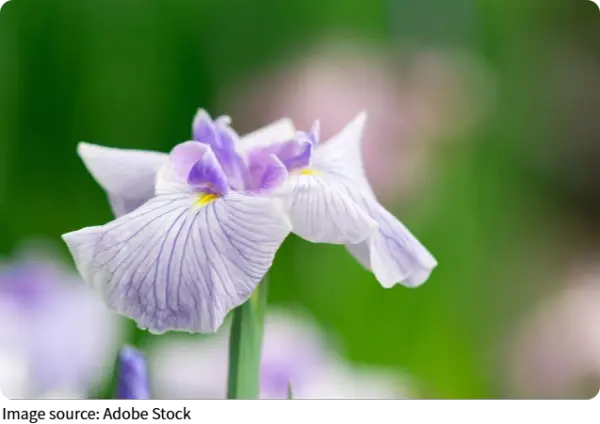
Strolling through a garden filled with iris flowers, it's easy to admire their vibrant colors and elegant shapes. Yet beyond their beauty, these flowers quietly work to improve the soil they grow in.
Gardeners who understand how iris interact with soil can use them not just for decoration, but also as a natural way to enhance soil health and fertility.
Deep Roots That Loosen Soil
Iris plants have thick rhizomes and deep roots that work through compacted soil. This natural growth helps break up dense layers, allowing air and water to move more freely.
1. Rhizome growth – As the rhizomes grow horizontally, they create tiny tunnels that increase soil aeration.
2. Water infiltration – Loose soil improves water absorption, preventing puddles and runoff.
3. Root decomposition – Old roots decompose, leaving organic matter that enriches the soil.
Actionable tip: Plant iris in areas of your garden with slightly compacted soil. After a growing season, you'll notice improved drainage and easier soil cultivation around these plants.
Organic Matter Contribution
The parts of iris that naturally die back—leaves, stems, and old rhizomes—add organic material to the soil. This organic matter feeds beneficial microbes and gradually improves soil texture.
1. Mulching effect – Leaving trimmed foliage around the base acts as a slow-release mulch.
2. Microbial stimulation – Decomposing plant material encourages the growth of fungi and bacteria that aid nutrient cycling.
3. Soil structure improvement – Over time, the organic matter binds soil particles into aggregates, making soil more crumbly and fertile.
Example: After pruning iris leaves in late fall, leave them around the base instead of discarding them. Within months, the soil beneath will become richer and better structured for other plants.
Preventing Erosion and Protecting Soil
Iris are excellent for stabilizing garden beds and slopes. Their roots hold soil in place, reducing erosion caused by wind or rain.
1. Slope planting – Planting iris along gentle slopes can prevent topsoil from washing away.
2. Soil coverage – Thick foliage shields soil from direct sun and rain impact, minimizing crusting.
3. Barrier to weeds – Dense iris clusters suppress invasive weeds, keeping soil healthier.
Actionable step: Identify areas prone to erosion in your garden and plant iris in rows or clumps. Over a season, these plants will help anchor the soil and maintain its quality.

Supporting Nutrient Cycling
Iris contribute indirectly to nutrient cycling. Their decaying matter returns nitrogen, phosphorus, and other elements to the soil, feeding future plantings.
1. Leaf litter decomposition – As leaves break down, nutrients become available for neighboring plants.
2. Rhizome turnover – Old rhizomes gradually decompose, adding additional organic nutrients.
3. Companion planting benefit – Iris planted near vegetables or shrubs can boost local soil fertility naturally.
Example: In a mixed flower and vegetable bed, interplant iris with shallow-rooted crops. The iris's decomposition enriches the soil, reducing the need for chemical fertilizers.
Long-Term Soil Health Benefits
With consistent care, iris can have a lasting positive effect on garden soil. They encourage microbial life, maintain structure, and provide natural mulch year after year.
1. Sustainable soil management – Using iris as part of your planting strategy reduces reliance on synthetic soil amendments.
2. Low-maintenance fertility – Once established, iris need minimal attention while continuing to improve soil quality.
3. Ecosystem support – Healthy soil encourages beneficial insects, pollinators, and other wildlife, creating a balanced garden environment.
Actionable idea: Create a permanent iris border along garden beds. Over multiple seasons, this border will contribute to a richer, more resilient soil ecosystem that benefits all nearby plants.
Iris flowers are more than just eye-catching blooms—they're natural allies in maintaining and enhancing soil health. By choosing to plant them strategically, gardeners can enjoy beautiful flowers while supporting better soil structure, fertility, and ecosystem balance. Watching iris flourish becomes not just a visual pleasure, but also a reminder of how plants can quietly sustain the earth beneath our feet.