Why Leaves Change Color

Ravish Kumar
| 13-03-2026
 · Nature Team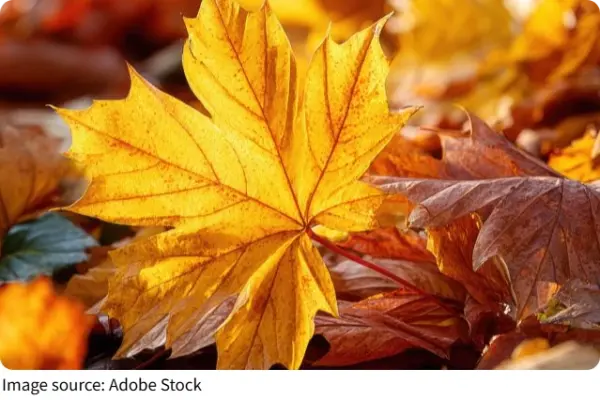
Have you ever walked through the woods on a crisp fall day and marveled at the vibrant colors of the leaves?
From golden yellows to deep reds, autumn's foliage is nothing short of a spectacle. But have you ever wondered why the leaves of some trees change color when fall arrives?
The transformation isn't just a visual treat—it's a fascinating process that ties into the plant's survival strategy.
1. The Role of Chlorophyll in Leaf Color
At the start of the growing season, leaves are full of chlorophyll, the green pigment responsible for photosynthesis. This is the process by which trees convert sunlight into energy. During the summer months, chlorophyll is constantly produced and broken down, keeping leaves green.
However, as the days shorten in fall and temperatures drop, trees begin preparing for winter. The production of chlorophyll slows down and eventually stops, allowing other pigments to become more visible. This is the first step in the transformation of leaf color.
Tip: If you're keen to observe this, take note of the exact moment when the greens start to fade and other colors begin to pop!
2. The Formation of Carotenoids and Anthocyanins
When chlorophyll fades away, other pigments in the leaves begin to shine through, creating the spectacular autumn colors we admire.
Carotenoids are pigments that produce yellow and orange hues. They are present in leaves all year long, but their colors are hidden by the dominant green chlorophyll. When chlorophyll breaks down, carotenoids become visible, painting leaves in warm shades of yellow and orange.
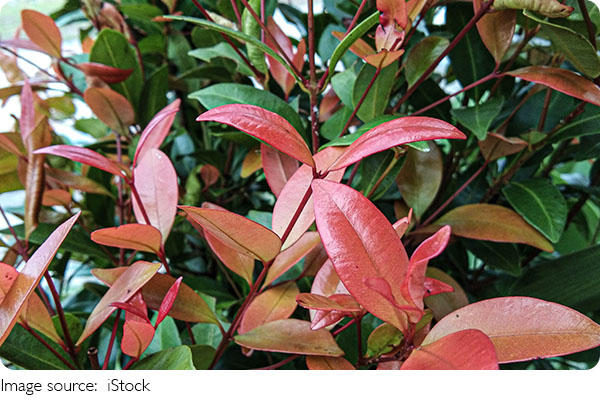
Anthocyanins, on the other hand, are responsible for red and purple hues. Unlike carotenoids, they are often produced in autumn rather than being visible all season, and their formation is linked to sunlight and sugars in the leaves under autumn conditions. Certain species, including many maples, are especially known for brilliant red foliage.
Actionable Tip: If you want to see the full spectrum of fall colors, try planting trees like sugar maples or oaks, known for their stunning red and orange leaves.
3. The Impact of Weather on Leaf Color
While the breakdown of chlorophyll is a natural part of the fall cycle, the specific weather conditions play a huge role in how colorful the leaves become. A mix of warm days and cool nights encourages the production of anthocyanins, resulting in vibrant reds and purples. This is why fall foliage is often more intense in years when there are sunny, warm days followed by cool, but not freezing, nights.
However, if the weather turns too cold too quickly, the leaf colors may not develop as fully, and the leaves may simply turn brown or fall off before they reach their peak color.
Tip: For the most colorful autumn displays, enjoy the balance of warm days and chilly nights that encourage the best leaf pigments to form.
4. Why Some Trees Don't Change Color
While many trees turn beautiful shades of red, yellow, and orange in the fall, not all trees participate in this spectacular show. Evergreen trees, such as pines and spruces, retain their green leaves (or needles) throughout the year. This is due to the fact that evergreen trees don't rely on the same seasonal processes as deciduous trees.
For deciduous trees, like oaks and maples, dropping leaves is a way to conserve water and energy during the winter months when resources are scarce. Since evergreen trees don't go through this leaf drop, they keep their green needles year-round, even in colder weather.
Actionable Tip: If you're looking for year-round greenery in your yard, evergreens are the way to go, as they stay vibrant even when the leaves of other trees have fallen.
5. The Purpose of Color Change in Leaves
Leaf color change is not just decorative. As trees prepare for winter, they recover useful nutrients from leaves before those leaves are shed. In some species, anthocyanins are thought to help protect leaf tissues from excess light during this transition, which may support more efficient nutrient recovery.
Moreover, the process of leaf color change helps trees conserve energy. By shedding leaves in the fall, trees prevent the risk of frost damage and reduce the amount of energy lost to photosynthesis during the winter months when sunlight is scarce.
In conclusion, the spectacular display of autumn leaves is a culmination of various biological processes influenced by seasonal changes. As trees prepare for winter, the fading of chlorophyll reveals a palette of vibrant colors, while key pigments such as carotenoids and anthocyanins come to the forefront. This transformation serves important purposes beyond beauty; it aids in nutrient recovery and energy conservation. Additionally, the right balance of weather conditions plays a critical role in enhancing these colors, reminding us that nature's artistry is ever-changing and dynamic. As you enjoy the breathtaking fall foliage, reflect on the resilience and ingenuity of trees as they adapt to the rhythms of their environment.