Decoding Flower Symbolism
Pardeep Singh
| 13-03-2026
 · Nature Team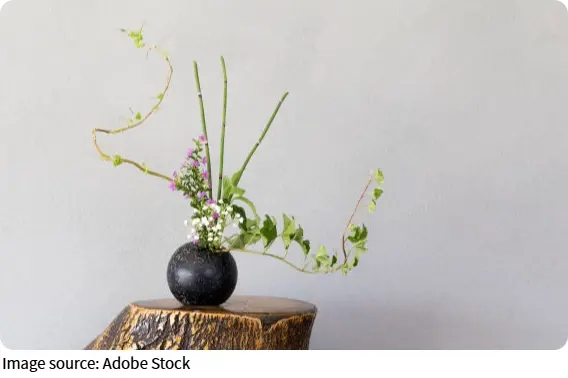
Walking past a beautifully arranged bouquet, you might pause, noticing more than just color or shape.
Flowers can express joy, sorrow, love, or remembrance, and their arrangement adds another layer of meaning.
Understanding the symbolic language behind floral art allows both creators and viewers to appreciate not just the visual beauty, but also the emotional and cultural narratives each piece carries.
Colors and Their Emotional Resonance
Colors are often the first element we notice in a floral arrangement, and they carry strong emotional messages.
1. Warm and vibrant tones
Red, orange, and yellow flowers often symbolize energy, passion, or happiness. Actionable example: a bouquet of bright yellow tulips can lift spirits or celebrate new beginnings. When arranging, place warmer tones near the center to draw attention and create a focal point.
2. Cool and muted tones
Blue, lavender, and soft greens evoke calm, peace, or reflection. Example: in a sympathy arrangement, incorporating pale blue hydrangeas can subtly convey serenity and comfort. Tip: balance muted tones with small highlights of brighter flowers to avoid a flat composition.
Flower Types and Their Traditional Meanings
Beyond color, the type of flower carries symbolic weight. Each variety has historical or cultural associations that enhance the message.
1. Roses for love and passion
Roses are versatile—red for romance, white for purity, and pink for admiration. Actionable tip: when designing a romantic arrangement, mix red and pink roses to convey both deep passion and gentle affection.
2. Lilies for renewal and remembrance
Lilies often signify purity or transition. Example: placing a white lily alongside soft greenery can symbolize reflection and hope, making it ideal for memorial arrangements.
3. Sunflowers for joy and loyalty
Sunflowers' upright posture and bright faces symbolize warmth and steadfastness. Tip: use them in cheerful arrangements to convey positivity, pairing with smaller blooms to balance scale and focus.
Arrangement Structure and Symbolic Flow
How flowers are positioned affects the story they tell. Symmetry, height, and spacing can communicate different moods.
1. Symmetrical arrangements
Balanced, mirrored designs suggest harmony and stability. Actionable example: for a wedding centerpiece, a symmetrical arrangement with roses and gardenias conveys elegance and unity.
2. Asymmetrical arrangements
These evoke movement, spontaneity, or natural growth. Example: a wildflower-inspired bouquet with varied heights and angles suggests freedom and creativity. Tip: use taller blooms in the back and shorter ones forward to maintain visual flow without losing the intended symbolism.
3. Layering and depth
Stacking or layering flowers can emphasize hierarchy or focus. Example: placing a strong red bloom in the center surrounded by softer hues directs attention and strengthens the emotional impact of the arrangement.
Texture and Leaf Choices
Leaves, stems, and filler plants contribute to symbolic expression. Texture can soften or intensify the visual and emotional effect.
1. Smooth and delicate foliage
Soft, flowing leaves like eucalyptus or ferns create a gentle, calming effect. Actionable tip: use delicate greenery around strong-colored flowers to balance intensity and convey subtle elegance.
2. Bold and structured foliage
Broad or spiky leaves add strength, drama, or grounding. Example: pairing sunflowers with large monstera leaves conveys vitality and presence. Consider using structured foliage to frame focal blooms and enhance the story.
Context and Purpose in Floral Symbolism
The meaning of a floral piece also depends on where and why it's displayed.
1. Celebratory contexts
Bright, cheerful arrangements enhance weddings, birthdays, or achievements. Example: a mix of daisies, tulips, and sunflowers signals joy and new beginnings.
2. Reflective or solemn contexts
Muted colors, lilies, and thoughtful layering communicate remembrance or contemplation. Actionable tip: combine subtle blooms with elegant greenery to create a serene composition suitable for quiet reflection.
Understanding the symbolic language of flowers transforms how we view and create arrangements. Each color, bloom, and placement choice communicates something beyond aesthetics, telling stories of emotion, intention, and connection. The next time you craft a bouquet or admire floral art, consider not just what you see, but what it says—every petal, leaf, and stem carries meaning waiting to be discovered.