Secrets of the Bobcat

Caroll Alvarado
| 05-03-2026
 · Animal Team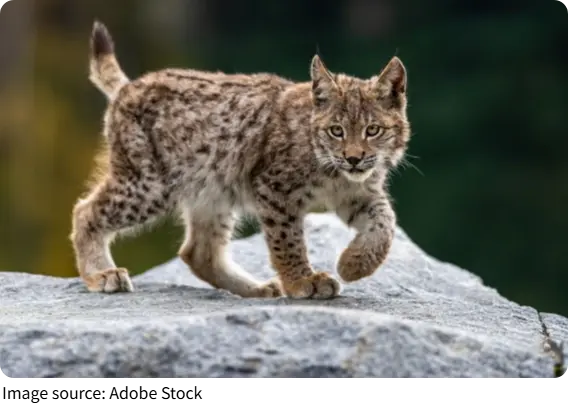
Walking through the forest at dusk, you might catch a flash of movement: a small, tawny cat pausing silently on a branch or between bushes. Its short tail flicks like a question mark, and for a moment, it freezes, observing the world with alert, amber eyes.
This is the bobcat, a master of stealth and survival, blending agility, cunning, and charm in ways that often go unnoticed by humans.
Physical Traits and Adaptations
1. Distinctive Appearance
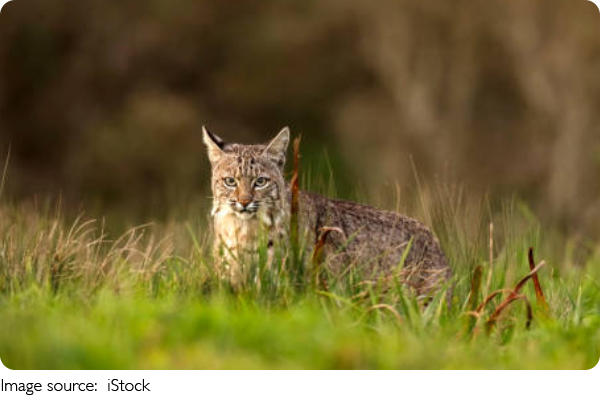
Bobcats are medium-sized wildcats with a characteristic short, “bobbed” tail measuring just 10–20 centimeters. Their spotted fur provides camouflage across forests, deserts, and brushlands. Tufts on their ears and strong, padded paws aid in silent movement, perfect for stalking prey.
2. Exceptional Senses
Their keen eyesight and acute hearing make bobcats effective hunters. Eyes adapted for low light allow them to hunt at dawn and dusk, while sensitive whiskers detect subtle changes in their surroundings. These adaptations make the bobcat a skilled predator despite its relatively small size.
3. Agile and Silent
Bobcats are nimble climbers and swimmers. They can leap up to three meters in a single bound and move through thick undergrowth without making a sound. This agility allows them to ambush prey and escape potential threats efficiently.
Behavior and Hunting
1. Solitary Lifestyle
Bobcats are primarily solitary and territorial. They mark their territories with scent and scratch markings, and interactions with other bobcats are limited mainly to mating or disputes over boundaries.
2. Versatile Diet
While they often hunt rabbits, rodents, and birds, bobcats are opportunistic feeders. They may eat reptiles, insects, or even small deer fawns when the opportunity arises. This dietary flexibility helps them survive across a wide range of habitats.
3. Stealth and Strategy
Bobcats rely on patience and strategy rather than speed alone. They often crouch silently, waiting for the perfect moment to pounce on unsuspecting prey. Observing their stalking behavior reveals an impressive combination of patience, timing, and precision.
Interesting Facts About Bobcats
1. Wide Range
Bobcats inhabit diverse regions across North America, from southern Canada to northern Mexico. Their adaptability to forests, swamps, and even suburban areas demonstrates remarkable ecological resilience.
2. Communication
Although largely silent, bobcats communicate using growls, hisses, and yowls. During mating season, these vocalizations can be surprisingly loud, helping individuals locate potential mates.
3. Lifespan and Reproduction
In the wild, bobcats live around 10–12 years. Females give birth to 1–6 kittens after a gestation of about 60–70 days. The young learn hunting and survival skills from their mother before becoming independent around ten months old.
Bobcats embody a perfect blend of agility, cunning, and mystery. Their ability to adapt, hunt, and thrive in diverse environments illustrates the resilience of wild animals. Watching or even just learning about these short-tailed cats reminds us of the delicate balance between wildlife and the natural world. These quiet, powerful hunters encourage admiration and respect, inviting us to notice the small, extraordinary creatures often hidden in plain sight. Next time you walk through a forest edge or a quiet brushland, imagine the silent bobcat observing from just beyond your view—alert, curious, and perfectly at home in its world.