Capturing Flowers in Photos

Pardeep Singh
| 04-03-2026
 · Travel Team
Walking through a field of lavender or a garden bursting with roses, it is tempting to snap a quick photo.
Yet, without thought to pose and background, the image can appear flat or crowded.
A well-composed photo harmonizes posture, expression, and the floral environment, transforming a simple moment into a visually striking memory. Understanding how to position yourself, interact with the surroundings, and use natural light can elevate floral photography from casual snapshots to creative portraits.
Choosing the Right Pose
1. Natural Interaction with Flowers
Poses that incorporate gentle interaction with the flowers create intimacy and depth. For lavender fields, bending slightly to brush fingertips along the tops of the blooms or leaning in to smell them conveys engagement and curiosity. In rose gardens, a soft turn toward the camera while holding a single flower can add elegance. Subtle gestures like these make the subject feel part of the scene rather than imposed upon it.
2. Body Angles and Posture
Body angles dramatically affect the composition. Angling the body slightly to the side rather than facing the camera head-on creates dimension. Shifting weight to one leg, relaxing the shoulders, and elongating the neck improves posture and fluidity. Even small changes, like tilting the head toward sunlight or lifting the chin, enhance the interaction between subject and background.
3. Dynamic Movement
Adding gentle motion can make the photograph lively. Walking slowly along a flower path, twirling a dress skirt, or lifting arms slightly as if to feel the breeze introduces natural energy. Movement catches light differently and can highlight textures in the flowers, especially in fields of lavender with long stems or roses with layered petals.
Leveraging Background and Composition
1. Depth and Layering
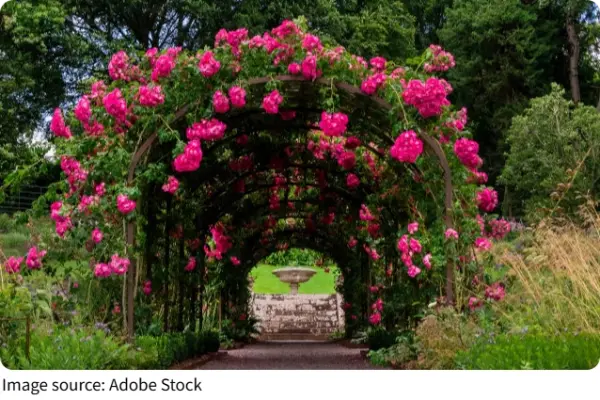
Creating layers in a photo draws the eye naturally. Positioning the subject among rows of flowers or using blooms in the foreground to frame the subject adds perspective. Lavender fields offer repeating lines that guide the viewer's gaze, while rose bushes can create a natural vignette around the subject.
2. Color Coordination
Consider clothing in harmony with the floral palette. Soft pastel tones or neutral colors contrast subtly with vibrant roses or lavender, keeping focus on both the subject and the flowers. Avoid patterns that clash with the environment; instead, choose solid or lightly textured garments that complement the natural colors.
3. Lighting and Time of Day
The angle and quality of light transform the scene. Early morning or late afternoon provides warm, soft illumination that reduces harsh shadows and accentuates colors. Positioning the subject so that sunlight falls gently on the face or side highlights details without overwhelming the natural hues of the flowers.
Practical Techniques for Stronger Shots
1. Camera Positioning
Experimenting with low angles allows flowers to frame the subject, while higher angles can capture patterns in the field. Slightly tilting the camera or shooting diagonally enhances depth and emphasizes both subject and environment.
2. Focus and Background Blur
Using shallow depth of field ensures the subject stands out while softly blurring the background. In a rose garden, this highlights the individual subject while maintaining the rich, colorful environment. Lavender fields with repeating rows are ideal for this technique, creating a dreamy, immersive effect.
3. Incorporating Props
Small props, such as a sunhat, basket, or flowing scarf, can add context and movement. In lavender fields, holding a small bouquet or gently lifting a scarf in the breeze complements the surroundings. Props should feel natural rather than forced to maintain the authenticity of the image.
Capturing the harmony between pose and floral background turns simple photographs into evocative memories. Walking through rows of lavender or pausing amid a burst of roses, the thoughtful combination of posture, movement, and natural lighting transforms fleeting moments into timeless images.
Beyond technical skills, patience and observation make the difference: waiting for sunlight to filter through petals, noticing subtle angles, and engaging with the flowers themselves ensures that each photo tells a story as vivid and delicate as the blooms themselves.