Socotra’s Tree Is Fading!
Nolan O'Connor
| 26-01-2026
 · Nature Team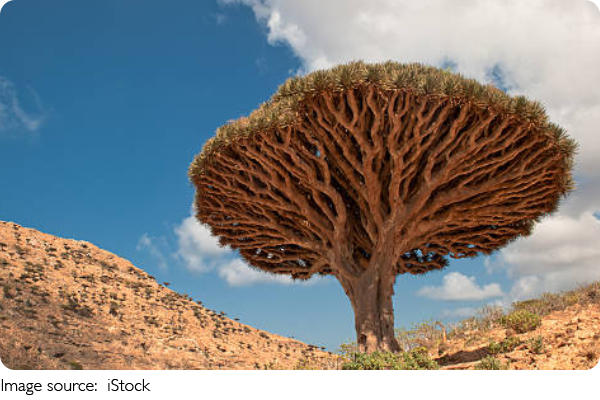
Standing on rocky highlands as if it belongs on another planet. That is the dragon’s blood tree, a rare Socotra native famous for crimson resin and a crown shaped to catch moisture.
This article explores why it matters, why it’s declining, and how islanders are helping it recover.
Island Icon
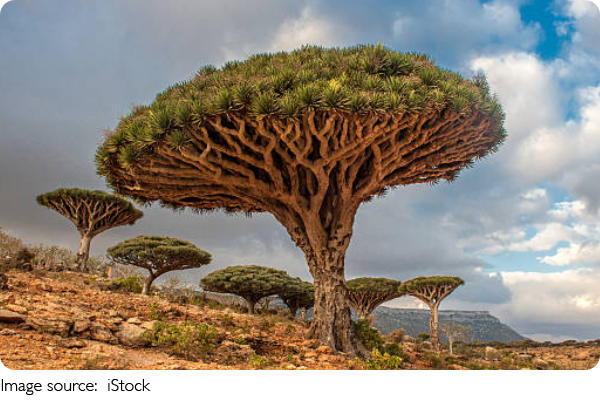
Socotra, an island in Yemen, is known for plants found nowhere else, and the dragon’s blood tree sits at the center of that reputation. In mountain plateaux such as Diksam and Firmhin, its pale trunk and dense canopy create a distinctive skyline. Locals describe it as a living emblem, tied to identity, livelihoods, and place.
Tree Identity
In plant classification, the dragon’s blood tree is Dracaena cinnabari, a member of the asparagus family group that includes several Dracaena species. What makes this one special is its architecture: thick branches rise and divide into tight, upward fans, forming a broad, flattened crown. The shape reduces water loss and protects inner leaves from harsh sun.
Red Resin
The tree’s legendary name comes from its bright red resin, released when bark or wood is cut. Once dried, it can be ground into powder and used as pigment, varnish ingredient, and traditional-purpose ointment in some cultures. On Socotra, careful harvesting once supported trade, but repeated cutting can leave visible scars and weaken older trunks.
Fog Harvest
Dragon’s blood trees are more than shade-makers; they also act like moisture collectors. Researchers describe how the canopy traps fog and low cloud droplets, which condense and drip into the soil. This process, often called horizontal precipitation capture, helps recharge ground moisture on dry plateaux where rain can be limited and unpredictable.
Water Engineer
Conservation biologist Kay Van Damme has emphasized that losing a single mature tree can mean losing a meaningful amount of water that would have been guided into the ground over a year. On atoll-like dry systems, that can be decisive. The tree’s canopy works like a natural funnel, supporting soil stability and improving conditions for nearby plants.
Ecosystem Anchor
The dragon’s blood tree is often described as an umbrella species, not just because of its look, but because other life benefits from its presence. Under the canopy, temperatures are milder and the ground retains moisture longer. Studies of understory vegetation have found that many plants appear more often near these trees than in exposed open ground.
Signs Decline
Across the Firmhin plateau, living trees can still be numerous, yet the landscape also shows losses: toppled trunks, broken crowns, and pale branches scattered like driftwood on land. Botanists such as Petr Maděra have warned that without stronger regeneration, the long-term outlook is troubling, especially as older trees die and younger replacements remain scarce.
Slow Growth
One reason recovery is difficult is speed. Dragon’s blood trees grow extremely slowly, with measurements suggesting only a few centimeters over several years. That means a sapling that looks like a spiky shrub today may need decades to resemble the iconic umbrella form. Conservation plans must therefore think in long timelines, not quick seasonal results.
Goat Pressure
Another challenge comes from grazing. Free-roaming goats can browse tender shoots and prevent saplings from reaching safer heights. Many surveyed areas show “over-mature” forests: plenty of older trees, but very few youngsters. Biodiversity scientist Alan Forrest has noted that protected enclosures often show healthier age structure, with more seedlings surviving and growing.
Storm Damage
Extreme weather adds another layer of risk. Strong winds and sudden heavy rains can uproot or snap centuries-old trees, especially when soils are shallow and rocky. When large storms strike, the losses are not easily replaced because new trees take so long to mature. This makes every surviving seedling and every protected nursery plant especially valuable.
Mapping Work
To protect what remains, conservationists are building a clearer picture of where trees stand and how they are doing. Local teams, working with researchers, have used phone-based mapping to record individual trees, note their condition, and create a baseline for future monitoring. This kind of inventory helps guide restoration sites, fencing priorities, and long-term planning.
Nursery Guardians
On the Diksam plateau, community-run nurseries have become practical lifelines. Behind stone walls or simple fencing, dragon’s blood saplings are raised in rows, kept safe from grazing until they are large enough to survive outside. Families check frequently for damage and reinforce barriers as needed. Even when leaves are nibbled, protected plants can continue growing.
Restoration Path
Restoration is not only about planting; it also involves choosing where trees can thrive. Sites with reliable fog, suitable rocky soils, and lower grazing pressure offer better odds. Many projects aim to move nursery-grown saplings into carefully selected wild areas once they reach safer size. The goal is to rebuild age diversity so forests have both elders and youth.
Conclusion
Friends, saving the dragon’s blood tree means respecting its unique biology: a fog-catching crown, slow growth, and deep ecological influence. Local nurseries, careful monitoring, and protective fencing are creating a pathway for regeneration, even if results take years to show. What would you prioritize first to protect a rare tree species: stronger enclosures, wider planting, or deeper community training?